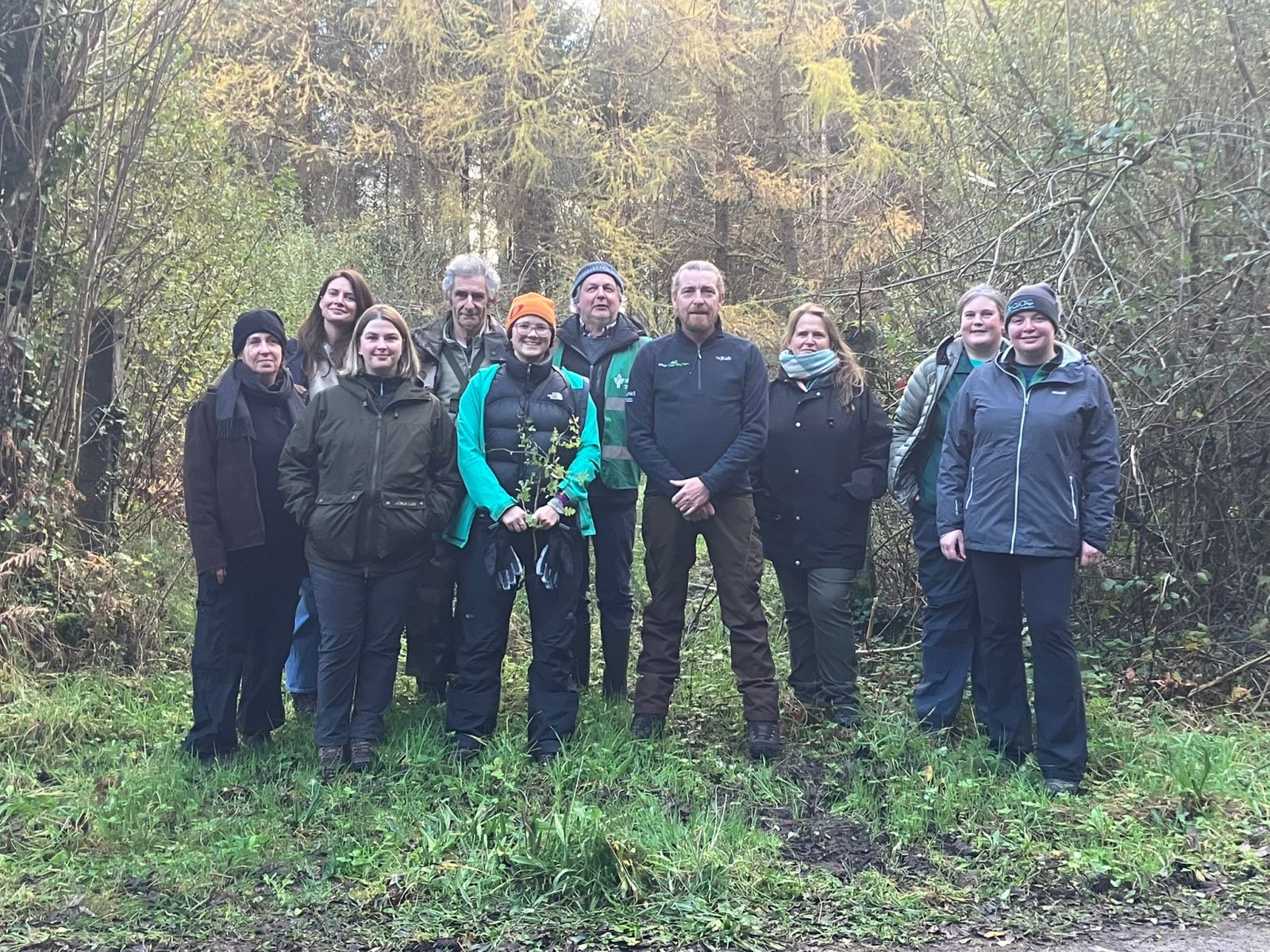
Woodlands of Ireland is a partnership-based environmental charity founded in 1998, dedicated to native woodland conservation and expansion. Previously, Woodlands of Ireland, in conjunction with a range of public and private sector stakeholders, had developed a 5-year native woodland strategy for the period 2016 to 2020, which is now overdue for updating. You can view this document here: A Strategy for Native Woodlands in Ireland 2016-2020.
Factors for Consideration:
Since that time, grant-aided native woodland establishment has grown to form c.40% of afforestation activity, while the native woodland conservation scheme has struggled to gain significant ground. Here are several factors which need to be considered in an updated strategy for 2026-2030:
- Native Woodland Conservation, Climate Resilient Reforestation, Native Forest Establishment, Emergent Woodland, Woodland Improvement Thinning, Continuous Cover Forestry and Neighbourwood grants are some existing funding mechanisms in the RoI Forestry Programme 2023-2027, which support the better management and expansion of woodlands largely composed of native species.
- The challenging EU Nature Restoration Law (NRL) legally bound woodland targets in the 2026-2030 period (10,000ha of recreated Oak woodland and c.4000 ha of alluvial (wet) woodland by 2030) require planning, implementation and workforce training and development for long-term maintenance in both the public and private sectors.
- Opportunities for timber production from native woodland and close to nature silviculture systems applied to them require consideration in a range of sites.
- A comprehensive tree cover education and training strategy is needed to achieve the DAFM Forestry Programme, EU Water Framework Directive and EU NRL targets.
- Irish Environmental Network (IEN)/ Northern Ireland Environment Link (NIEL) and Public Participation Network (PPN) member groups’ input is welcome and essential.
- Many new organisations have emerged to populate the fertile ground of native tree cover expansion in recent years and need to be included in this consultation.
Online Consultation Period:
In order to realise the goals emerging from this renewed strategy, a coordinated partnership approach is crucial. Public entities such as the Forest Services of DAFM and DAERA, the National Parks & Wildlife Service, NIEA, Inland Fisheries Ireland, the EPA, Coillte, OPW, the Loughs Agency, Local Authorities and the Heritage and Biodiversity Officer network, can actively promote native woodlands in numerous ways, in collaboration with Woodlands of Ireland and other environmental non-governmental organisations and native woodland stakeholders. The benefits will extend far beyond the native woodland resource, to also encompass water quality, wider habitat linkage, landscape enhancement, climate change mitigation, increased choice for landowners, wood and non-wood production, amenity and tourism, public health and well-being, community enrichment, and the protection of a key component of Ireland’s natural, historical and cultural heritage. The partnership approach that has underpinned numerous native woodland initiatives in recent years, and which was adopted in developing and endorsing the previous strategy for native woodland in Ireland, is a positive indicator that Ireland can achieve this wide-reaching potential from its native woodlands, as well as securing a future for this vital resource.
To seek input from a diverse range of stakeholders in the creation of this new strategy for native woodlands, Woodlands of Ireland conducted an online public consultation from November 2025 into 2026 with webinars in March/April and a Spring/Summer gathering in person. Over 100 submissions have been received so far, which will help to guide the strategy document. You can still submit your viewpoints in the form below or make your views known to Woodlands of Ireland through info@woodlandsofireland.com
Native Woodland Strategy 2026-2030 Consultation Form
To seek input from a diverse range of stakeholders in the creation of Native Woodland Strategy 2026-2030 for native woodlands, Woodlands of Ireland are conducting a public consultation.
Webinars:
Following the online questionnaire phase completed in January 2026, the next phase will be to host webinars that will look at the strategy from different perspectives. The March webinar was the first of a series of webinars to complement the Native Woodland Strategy 2026-2030 consultation process. The Native Woodland Strategy 2026-2030 endeavours to include an outline of how some of the woodland targets of the EU Nature Restoration Regulation may be achieved.
“The EU Nature Restoration Regulation is the first continent-wide, comprehensive law of its kind. It is a key element of the EU Biodiversity Strategy, which sets binding targets to restore degraded ecosystems, in particular those with the most potential to capture and store carbon and to prevent and reduce the impact of natural disasters.” – European Commission.
The March webinar featured:
- Fintan Kelly from the Environmental Pillar who discussed “ “The Nature Restoration Law: Woodlands and Forests”.
- Declan Cooke from Inland Fisheries Ireland who discussed “A strategy for protective tree cover in catchments from an Inland Fisheries Ireland perspective”.
The next webinar in the series will be announced here and on Our Events and Webinars sections of the website. An in-person meetup will also be held to finish the consultation process in Spring/Summer 2026.
Woodlands of Ireland Supporter Membership
For anyone supportive of our work to promote the conservation, active management and expansion of native woodlands on the island of Ireland, you can now become a Supporter Member of Woodlands of Ireland. This means joining an all-island community of people who care deeply about our woodland’s ecological heritage. Your support directly contributes to ensuring that Woodlands of Ireland continues to promote the protection, restoration, and active management of Ireland’s native woodlands through our training events, workshops, field trips, conferences and other networking gatherings. See the four options available from Individual, eNgos/Community groups, to Student/Concession and Corporate/Institutional members